
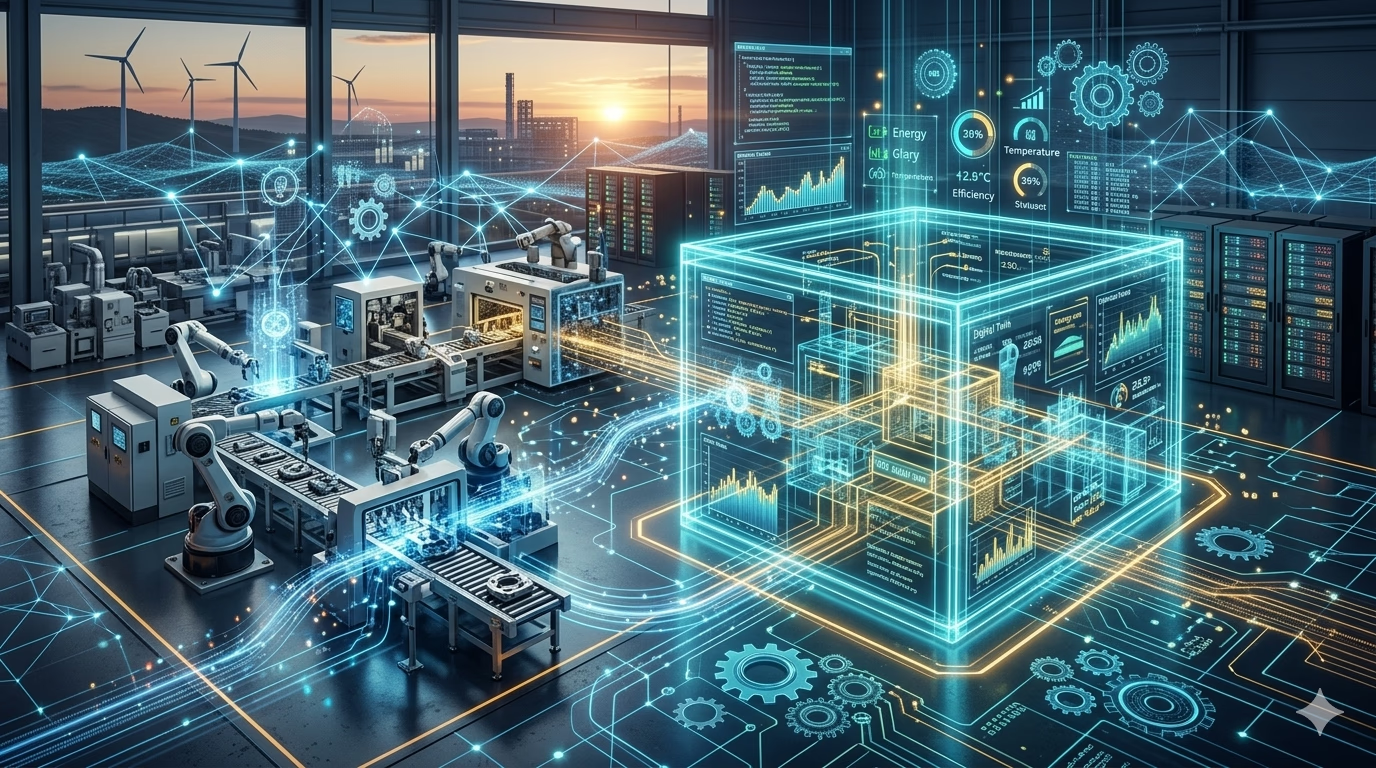
One major benefit is predictive maintenance. By creating virtual replicas of physical assets and continuously observing them, organisations can anticipate equipment failures before they happen — significantly cutting unplanned downtime, extending asset lifespan and reducing maintenance costs.
The technology also accelerates product development. Engineers can experiment with prototypes in simulated environments, test multiple scenarios and refine solutions before investing in physical production, saving both time and resources while maintaining quality.
Finally, digital twins enhance decision-making by offering real-time visibility into complex systems. Leaders can monitor performance, quickly identify problems and implement data-informed solutions across critical sectors like healthcare, energy and transportation.